sábado, 14 de abril de 2012

domingo, 11 de março de 2012
dromos008 Pedro Sousa & Hernani Faustino - FALAISE
 Falaise is the first meeting between two major players of the Portuguese improvisation landscape. For those paying attention, neither should be a stranger by now. Besides being a powerhouse bassist with extraordinary technique, Hernani Faustino is one of the people behind the Clean Feed Label and integrates Nobuyasu Furuya's formations and Red Trio, who recently recorded albums with John Butcher and Nate Wooley.Pedro Sousa is among the most gifted improvisers of a younger generation of musicians now flooding the city. Already the possessor of a distinct abrasive timbre and an extremely sensible listening capability, which make him an extraordinary duo player.Throughout the whole record, both the language and communication are in constant co-relation.Consisting of four pieces, Falaise is the distilling of all their qualities as players, ranging from melodically introspective and entwining to percutive and disjointed, passing through fiery and radiant churns of free saxophone and double bass energy. With total regard for dynamics,timbre and articulation as a duo, Falaise is improvisation in it's prime.
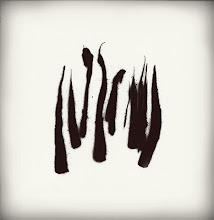
The record comes in a digipack format, adorned with 3 original photographs by António Júlio Duarte. Inside each cover there is a different print from a series of 100 photographs of António Júlio Duarte made purposedly for the record.
CD Info:
Cd-R comes in a limited edition of 100 copies
all music by Pedro Sousa and Hernani Faustino
all artwork by António Julio Duarte
Website Pedro Sousa:
http://soundcloud.com/pedro-sousa-a-carajillo
Website Hernani Faustino:
http://www.hernanifaustino.com/
Website António Júlio Duarte:
http://www.antoniojulioduarte.com/
All orders are shipped via Regular Portuguese Mail. If you wish to have your items delievered to you through a different way, please send us an enquiry to dromosrecords[@]gmail[.]com before ordering or visit http://www.dromosrecords.com for more info & other releases
segunda-feira, 27 de fevereiro de 2012
AuldLangSyne Review by Dan Warburton in The Wire #336
Olaf Rupp
AuldLangSyne
Dromos/Gligg CD-R
While many of his fellow Berlineres seem to have taken Ludwig Van Der Rohe at his word (or rather, Robert Browning's) - less is more - guitarist Olaf Rupp has consistently adopted the opposite track, combating the acoustic instrument's inherent lack of sustain by producing intense hyperactive flurries of notes that derive more from flamenco rasgueados and Chinese pipa technique (Rupp holds his guitar upright like the Chinese lute) than from traditional jazz fingerpicking.
But on three of the nine tracks on AuldLangSyne - which you'll find tucked into a crack in the vaguely coffin-shaped hexagonal leather pouch along with an original engraving by Antonio Poppe, whose artwork also seems to adorn the cover - Rupp also plays electric guitar, and the volume allows him breathing space to skirt around the raw edges of feedback and explore ringing harmonics and variations in dynamics. Even in the acoustic pieces, there are occasional pools of calm in the storm of fluttery strumming that reveal an acute ear for melodic line, a sense of clear harmonic forethought and a feel for a large-scale form often lacking in-the-moment frenzy of his earlier work.
Dan Warburton in The Wire 336 (Feb 12)
AuldLangSyne
Dromos/Gligg CD-R
While many of his fellow Berlineres seem to have taken Ludwig Van Der Rohe at his word (or rather, Robert Browning's) - less is more - guitarist Olaf Rupp has consistently adopted the opposite track, combating the acoustic instrument's inherent lack of sustain by producing intense hyperactive flurries of notes that derive more from flamenco rasgueados and Chinese pipa technique (Rupp holds his guitar upright like the Chinese lute) than from traditional jazz fingerpicking.
But on three of the nine tracks on AuldLangSyne - which you'll find tucked into a crack in the vaguely coffin-shaped hexagonal leather pouch along with an original engraving by Antonio Poppe, whose artwork also seems to adorn the cover - Rupp also plays electric guitar, and the volume allows him breathing space to skirt around the raw edges of feedback and explore ringing harmonics and variations in dynamics. Even in the acoustic pieces, there are occasional pools of calm in the storm of fluttery strumming that reveal an acute ear for melodic line, a sense of clear harmonic forethought and a feel for a large-scale form often lacking in-the-moment frenzy of his earlier work.
Dan Warburton in The Wire 336 (Feb 12)
segunda-feira, 30 de janeiro de 2012
Magda Mayas & Anthea Caddy - Schatten / Olaf Rupp - AuldLangSyne reviews by Julien Héraud in Improv Sphere
Spécialisé dans les musiques improvisées, Dromos est un label portugais original qui propose à un artiste plasticien différent à chaque publication de créer les "pochettes" comme il l'entend. Les deux dernières, à l'occasion de la sortie d'un duo de Magda Mayas et Anthea Caddy et d'un solo d'Olaf Rupp, toutes uniques et différentes, sont composées de matériaux divers comme des morceaux de cuir ou une membrane d'encre de Chine par exemple. Pour les curieux, différents modèles ainsi que des extraits musicaux sont accessibles sur le site de Dromos.

Outre la singularité des "boîtiers", Dromos publie également des enregistrements atypiques et originaux. Schatten par exemple regroupe trois improvisations de la violoncelliste Anthea Caddy et de la pianiste désormais célèbre Magda Mayas, livrées dans une création aux aspects bruts et rugueux de Nádia Duvall. Trois pièces donc où se superposent des textures nouvelles et des timbres originaux, la palette de sons est très large et forme comme une série de tableaux sonores minimalistes où se succèdent des couleurs qui diffèrent selon la dynamique. La plupart du temps, on reconnaît encore les instruments, mais la fusion est quand même si bien réussie entre les deux musiciennes qu'on a du mal à simplement souhaiter les distinguer. En fait, la distinction est possible dans la mesure où le duo Caddy/Mayas fusionne uniquement au niveau de la dynamique, tout en produisant des textures différentes, ou même opposées.
Trois pièces denses et riches, aux couleurs singulières et atypiques d'où surgissent toujours des dynamiques communes malgré l'opposition de timbres et de modes de jeu (ostinato contre bourdon, rythmique contre lisse, bruits contre notes). Il n'y a rien de révolutionnaire dans cette approche dynamique de l'interaction entre les musiciens, mais Schatten vaut tout de même le coup pour l'objet qu'il constitue d'une part, et surtout je pense pour l'originalité des textures, mais également pour l'intensité, la précision, et la sensibilité de l'interaction entre les deux musiciennes.

J'ai déjà écrit une chronique sur un trio avec Olaf Rupp en compagnie de Tony Buck et Joe Williamson il y a un mois ici même. Je disais avoir eu la sensation d'entendre grouiller une nuée d'insectes, et en écoutant ce solo d'Olaf Rupp, je comprends maintenant que cette sensation venait principalement de ce guitariste. AuldLangSyne est une suite de neuf improvisations pour guitares acoustique et électrique selon les morceaux. Une suite très dense faite de clusters, d'une succession et d'une superposition de notes à une vitesse supersonique, notes séparées par des écarts vertigineux. Olaf Rupp ne rigole pas, les notes sont piquées et pincées, elles s'entremêlent avant même d'avoir eu le temps de résonner, on imagine facilement le front du guitariste en nage et les doigts en sang. Une technique de jeu virtuose et impressionnante certes, sauf que l'énergie maximale et hyperactive toujours déployée finit par lasser, la vitesse hystérique fatigue, tout comme l'absence de respiration et de relief.
Pas réussi à véritablement accroché malgré la singularité et la véritable fraicheur de la sonorité de Rupp. Trop monotone et plat à mon goût, AuldLangSyne m'a vite lassé et fatigué. Ceci-dit, les peintures sur cuir signées Antonio Peppe sont vraiment belles et ce mélange de gris et de noir urbains reflète plutôt bien l'atmosphère d'AuldLangSyne durant cette heure d'improvisation sur guitare verticale. Pour amateurs de guitare sensibles à la virtuosité et la rapidité, AuldLangSyne ravira peut-être les mélomanes avides de clusters et d'espaces sonores saturés.
- Julien Héraud in Improv Sphere
Anthea Caddy/Magda Mayas - Schatten (Dromos, 2011)
Outre la singularité des "boîtiers", Dromos publie également des enregistrements atypiques et originaux. Schatten par exemple regroupe trois improvisations de la violoncelliste Anthea Caddy et de la pianiste désormais célèbre Magda Mayas, livrées dans une création aux aspects bruts et rugueux de Nádia Duvall. Trois pièces donc où se superposent des textures nouvelles et des timbres originaux, la palette de sons est très large et forme comme une série de tableaux sonores minimalistes où se succèdent des couleurs qui diffèrent selon la dynamique. La plupart du temps, on reconnaît encore les instruments, mais la fusion est quand même si bien réussie entre les deux musiciennes qu'on a du mal à simplement souhaiter les distinguer. En fait, la distinction est possible dans la mesure où le duo Caddy/Mayas fusionne uniquement au niveau de la dynamique, tout en produisant des textures différentes, ou même opposées.
Trois pièces denses et riches, aux couleurs singulières et atypiques d'où surgissent toujours des dynamiques communes malgré l'opposition de timbres et de modes de jeu (ostinato contre bourdon, rythmique contre lisse, bruits contre notes). Il n'y a rien de révolutionnaire dans cette approche dynamique de l'interaction entre les musiciens, mais Schatten vaut tout de même le coup pour l'objet qu'il constitue d'une part, et surtout je pense pour l'originalité des textures, mais également pour l'intensité, la précision, et la sensibilité de l'interaction entre les deux musiciennes.
Olaf Rupp - AuldLangSyne (Dromos, 2011)
J'ai déjà écrit une chronique sur un trio avec Olaf Rupp en compagnie de Tony Buck et Joe Williamson il y a un mois ici même. Je disais avoir eu la sensation d'entendre grouiller une nuée d'insectes, et en écoutant ce solo d'Olaf Rupp, je comprends maintenant que cette sensation venait principalement de ce guitariste. AuldLangSyne est une suite de neuf improvisations pour guitares acoustique et électrique selon les morceaux. Une suite très dense faite de clusters, d'une succession et d'une superposition de notes à une vitesse supersonique, notes séparées par des écarts vertigineux. Olaf Rupp ne rigole pas, les notes sont piquées et pincées, elles s'entremêlent avant même d'avoir eu le temps de résonner, on imagine facilement le front du guitariste en nage et les doigts en sang. Une technique de jeu virtuose et impressionnante certes, sauf que l'énergie maximale et hyperactive toujours déployée finit par lasser, la vitesse hystérique fatigue, tout comme l'absence de respiration et de relief.
Pas réussi à véritablement accroché malgré la singularité et la véritable fraicheur de la sonorité de Rupp. Trop monotone et plat à mon goût, AuldLangSyne m'a vite lassé et fatigué. Ceci-dit, les peintures sur cuir signées Antonio Peppe sont vraiment belles et ce mélange de gris et de noir urbains reflète plutôt bien l'atmosphère d'AuldLangSyne durant cette heure d'improvisation sur guitare verticale. Pour amateurs de guitare sensibles à la virtuosité et la rapidité, AuldLangSyne ravira peut-être les mélomanes avides de clusters et d'espaces sonores saturés.
- Julien Héraud in Improv Sphere
terça-feira, 20 de dezembro de 2011
Olaf Rupp - AuldLangSyne / Magda Mayas & Anthea Caddy - Schatten reviewed at paris transatlantic by John Eyles
Olaf Rupp
AULDLANGSYNE
Dromos / Gligg
Magda Mayas / Anthea Caddy
SCHATTEN
Dromos
At first glance, the two latest additions to the catalogue of Lisbon-based Dromos Records are barely recognisable as CDs. Guitarist Olaf Rupp's AuldLangSyne is housed in a large irregular hexagonal sleeve with a front cover painting by Antonio Poppe and leather back cover, and each copy includes a different Poppe engraving. Access to contents is via a slit in the leather just long enough to get a CD through. Schatten, by pianist Magda Mayas and cellist Anthea Caddy, comes in a tactile rich blue membrane made of ink skin designed by Nádia Duvall. And Rupp, Mayas and Caddy ensure the quality of the music is commensurate with its packaging.
 AuldLangSyne's nine tracks run for just over an hour and were recorded by Rupp in Berlin in 2010. Although a frequent and successful collaborator, he's arguably at his best playing solo, on both acoustic and electric guitar, and maintains a cracking pace, even when playing comparatively simply and deliberately as at the start of the opening track "Every" (the track titles form the phrase "every dog has his day and a good dog just might have two days"). On acoustic guitar, the musical tumult includes rapidly strummed chords and arpeggios interwoven with harmonic and melodic strands, while sections of the longest track, "His", are highly reminiscent of flamenco. On the electric instrument, notably on "Day", the technique is similar, but bent notes, sustain and variations in volume add variety. Rupp's brain works as fast as his fingers, and he plays with impressive precision even at the fastest of tempi, but the music never sounds like mere technical display: each piece is unique and all are equally satisfying.
 Schatten was recorded at Amann Studios, Vienna, in March 2010. Pianist Magda Mayas is such a strong individual stylist that it sometimes feels as if she's dominating her playing partners (as was the case on the recent Great Waitress album Lucid (Splitrec) with accordionist Monika Brooks and clarinettist Laura Altman), but with cellist Anthea Caddy it's a partnership of well-matched equals. As always, Mayas plays the whole instrument, producing sounds that are recognisably piano along with others made by banging and scraping the frame or the strings. In similar fashion, Caddy produces an impressive array of sounds from the deepest darkest arco tones to high pitched screeches. Both musicians are adept at adjusting and evolving pitch, tempo and timbre, sometimes contrasting completely with one another, sometimes both going in the same direction, as in the ominously dark and moody rumblings halfway through the opening track. The recording quality is first rate, and, clocking in at just over 38 minutes, Schatten delivers quality over quantity, and passes the key test of a good album – it leaves you hungry for more.
- John Eyles in Paris Transatlantic Winter 2011 Issue
quinta-feira, 15 de dezembro de 2011
"Schatten" Review by Richard Pinnell
If I am honest I am not really in the mood for writing about music tonight, but as Julie is staying with her Mum for now after their loss I have little to do here other than try and get on with things, and so I have listened a few times to a nice new CD on the Portugese Dromos label by the Berlin improvisational duo of Magda Mayas (piano) and Anthea Caddy (cello). Dromos releases have always arrived in innovative packaging, but this one might be my favourite yet, with each of the 250 copies being packed in handmade splodges of blue crépe paper and wax, each one individual and somehow simultaneously very ugly and quite beautiful. The disc within contains three beautifully recorded studio tracks of dense textural improvisation. The general feel is one that falls neatly midway between the various poles of improvisation’s current trends. It is always very active and energetic, perhaps even aggressively so here and there, but while silence plays little to no part in the music it also doesn’t feel unnecessarily chattery. The thickness of the sound, which is all acoustically created, is down to the way the musicians work here to build looming clouds of sound rather than itchy, scratchy conversations. Mayas’ playing is more percussive than melodic, working in and around the body of the prepared instrument as well as bowing, tapping and plucking at the strings. Often her sound is deeply resonant. Rolling, booming shudders of low register sound match lighter plucks and tones moment for moment. Caddy’s cello varies in intensity as well, often flourishing into extremely wild, wrenching sections of bowing match up to Mayas’ more violently hammering moments just as the delicacy the cello also comes through at other times.
The album is named Schatten, which translates (I think) to Shade- a quite fitting title given the frequently dark, claustrophobic feeling to the music. The musicianship involved here, highlighted in the way the two instruments feed off of one another and respond to one another rather than merely sit adjacent underlines the improvised music traditions at work here, but this CD stands for me as another good example of a currently very interesting area in improv right now- music that focusses texture and carefully chosen sounds but often does so in a talkative, far from reductionist manner, with every sound mattering, nothing there without good reason but also with no fear of making openly expressive music. The heaving, muscular interchanges of bowed strings and thunderous hammering piano that rise up throughout In the shadows lay, the second track here are particularly wonderful, stirring up this old listener for sure, making the hairs stand on end as the music almost abuses the careful listener.
The mix of the delicate and fragile with the dense and heavy is reflected in the CD’s packaging as the thin whispering crepe paper is enveloped in the thick, gloopy wax. That sensation of some kind of oppressive force weighing down on the music, pushing it away from the simply tasteful and into more uncomfortable, yet ultimately rewarding areas remain present throughout what is a really very engaging album indeed. At times this music gets extremely urgent, even angrily so here and there, and right now I can empathise with such an approach. Listening here tonight, letting the urgency of the music unravel around me in an almost violent way felt a little cathartic. For all the beauty of life and the people we meet along the way there are always dark, uncomfortable moments, and sometimes music helps us sort such occasions out. A very fine album then, available here.
- Richard Pinnell on The Watchful Ear
sábado, 10 de dezembro de 2011
Magda Mayas & Anthea Caddy - Schatten Review by Stef Gijssels
Magda Mayas & Anthea Caddy - Schatten (Dromos Records, 2011) ****

Schatten brings the interplay between Mayas on piano and Anthea Caddy on cello, offering a similar minimalist approach, yet somewhat darker and ominous, with heavier sounds and more percussive effects, which creates a totally different dynamic to the music. The sonic textures are all about timbre and space and interaction, and even if at moments it is hard to identify what or who the source is of the sounds you hear, the result is quite captivating.
© stef in http://freejazz-stef.blogspot.com/
quinta-feira, 24 de novembro de 2011
dromos006 Olaf Rupp - AuldLangSyne
 Berlin based improviser Olaf Rupp combines multiple elements and parameters into one very unique and personal idiom, whether he plays acoustic or electric guitar.
Recorded last year in Berlin, "AuldLangSyne" inspired by a traditional Scottish poem is a mirror of that amalgamation of sound.
Olaf Rupp's versatile approach to freeform guitar ranges from folk tinged arpeggios and heavy strumming to dense chord clusters.
Possessing miraculous technique,he lashes out harmonics overtones and cluster notes like no other. Sometimes he hits his instruments' strings so hard that one gets the sense that everything around us will suddenly collapse, other times one just gets immersed in a quiet blissful strumming vortex.
Rupp has total domination over material and structure, whether in a high energy or in a slower mindset.
Truly a very subtle and exquisite language.
Artwork consists of a front cover painting by Antonio Poppe and leather back cover. Each copy brings a different drawing made by António Poppe.
AuldLangSyne is a split release with german label GLIGG.
CD Info:
Cd-R comes in a limited edition of 200 copies. All music by Olaf Rupp All artwork by António Poppe
Wesbite Olaf Rupp:
http://audiosemantics.de/
Website GLIGG:
http://www.gligg-records.com/
All orders are shipped via Regular Portuguese Mail. If you wish to have your items delievered to you through a different way, please send us an enquiry to dromosrecords[@]gmail[.]com before ordering or visit http://www.dromosrecords.com for more info & other releases
terça-feira, 8 de novembro de 2011
dromos007 Magda Mayas & Anthea Caddy - Schatten

Recorded in Vienna during Winter on a snowy night, Berlin-based musicians Magda Mayas & Anthea Caddy present on "Schatten" a dense and piercing improvisational statement.
Foccusing mainly on texture and structure,but also the percussive possibilities of their instruments, both artists display a continuum of immense creativity, pushing their instruments to higher limits and even beyond recognition with each new aural event surpassing the previous one.
Magda Mayas explores both the outside as well as the inside of the piano, through a vast amount of extended techniques and the aid of preparation and amplification, to extract an interminable array of sounds. Both percussive and melodic.From screeching chords and scraping metallic sounds to the deepest resonance.
Anthea Caddy implies the physical aspects of sound,altogheter with instrumental knowledge.With complete control over dynamics, timbre and a constant awareness of time, she forms a very unique spatial and textural approach to the cello.
Two very personal languages that fuse as a whole.
The artwork consists of 250 shadow skins. All covers are different membranes made of ink skin by plastic artist Nádia Duvall
CD Info:
Cd-R comes in a limited edition of 250 copies.
all music by Magda Mayas & Anthea Caddy
all artwork & packaging by Nádia Duvall
Wesbite Anthea Caddy:
http://mapsofme.wordpress.com/
Website Magda Mayas:
http://magdamayas.jimdo.com/
Website Nadia Duvall:
http://www.nadiaduvall.com/
SOLD OUT!

All orders are shipped via Regular Portuguese Mail. If you wish to have your items delievered to you through a different way, please send us an enquiry to dromosrecords[@]gmail[.]com before ordering or visit http://www.dromosrecords.com for more info & other releases
segunda-feira, 4 de abril de 2011
Thollem & John, Wasteland Jazz Unit And Niagra At Bodyspace
 | Thollem / Dieterich All For Now Dromos Records 2011 |
Nascido da empatia criada entre o pianista Thollem Mcdonas e o guitarrista John Dieterich (dos Deerhoof), All For Now é a gravação desse primeiro encontro no Moma de São Francisco. Tendo em conta a disparidade aparente entre os dois músicos, All For Now é um documento impressionante no modo como duas linguagens distintas se enredaram tão naturalmente no processo. Disco criado da cumplicidade entre os dois músicos, tem a seu favor o facto de conseguir com notória despretensão erigir momentos de comunicação sem desprimorar todo o apuro formal patente nos seus currículos. Com esse carácter espelhado em nomes como “For Preservationists to Get Off on Later...Posthumously” ou “Drum Set. Or... ...Because...The Museum Will Act Like...Huh?” apresenta 16 malhas relativamente curtas de improvisação lírica. O piano de Thollem em tangentes devedoras do free jazz a alguma música contemporânea vai encontrado as linhas de guitarra oblíquas de Dieterich em construções sóbrias de um rigor melódico intrigante. Sem forçar tácticas desconstrutivistas, confere igual protagonimo as ambas as partes, num todo de elegante coerência que peca apenas por algumas miniaturas algo inconsequentes na sua irresolução. Reflexo de um savor faire em desafio, com momentos particularmente felizes na tensão de “I'll Keep Thinkin...And Watchin...For Ideas...By Myself`s” ou no mantra soturno (com o fantasma de Glenn Gould a pairar) de “Some Dancing People...This Labor Day”.
 | Wasteland Jazz Unit Caustic Gate Dromos Records 2011 |
Duo de Cincinati constituido por Jon Lorenz (saxofone) e John Rich (clarinete), que desde 2007 tem vindo a construir um corpo de obra imenso em editoras como a American Tapes ou a Excite Bike e chega à Dromos com Caustic Gate envolto em mantas de distorção. Com um sucinto nome a sugestionar de forma assertiva aquilo que têm vindo a fazer, Caustic Gate é uma terra de ninguém que escapa ao free jazz com recurso a uma manipulação extremada das potencialidades dos dois instrumentos ao ponto do não reconhecimento. Sem forçar comparações inusitadas, poder-se-á encontrar um presciente ideológico na totalidade dos Borbetomagus filtrada pelas tácticas noise características de alguém como o John Wiese ou Aaron Dilloway. “Collision Cleansed” descreve arcos de distorção feérica assentes no duelo possível entre os dois músicos que nunca cede ao militantismo de chamada-resposta. Antes na subjugação do som ao seu limite visceral até um final sem vencedores. Adaptando uma narrativa, pode-se pensar numa guerra que descamba no ambiente desolador de “Current Residue”. Com os sopros a assumirem a criação de um drone povoado por war cries sibilinos que nunca sucumbe na sua maior rarefacção. Nem à contemplação letárgica. Antes na perpetuação durante 15 minutos de uma mesma terra de ninguém por uma via eminentemente mais plácida. “Erosive States” condensa em cerca de quatro minutos todos os elementos mais ruidosos do duo até ao ponto de ruptura do feedback. Fechando o portão de um disco cáustico que evita com sapiência a barulheira brute force para se assumir como um objecto de considerável impacto anímico.
 | Niagara Niagara EP Dromos Records 2011 |
Trio de Lisboa que tem vindo ao lado de nomes como Photonz ou Tiago a reinventar o panorama das electrónicas dançáveis nascidas no burgo, e que consegue nesta sua estreia um equilíbrio fascinante em torno de diversas linguagens. Partindo das premissas base da House de Chicago como profetizada por Phuture, para recolher os destroços mais lúdicos de algum Krautrock, do som de Colónia (e relembrar como os Mouse On Mars são incríveis) ou de alguma Micro-House na linha de Farben, para chegar àquele ponto de mutação fractal que tem nos Black Dice pós-Creature Comfort ou nos Excepter circa Self Destruction referências subliminares. Disco com vista panorâmica sobre a boa onda total, assenta numa metodologia insinuante que adapta todas essas linguagens sem as impor descaradamente. Numa lógica interna que dispõe nuances melódicas e rítmicas evitando uma organização mais estrita para assumir essa instabilidade de processos como um fim em si mesmo. Que tanto pode passar pelo escapismo mental como pela dança possível. Há toda uma noção de risco ao longo destas seis malhas, brilhantemente conduzido pelas mãos de António, Alberto e Sara, num plano continuamente intrigante que nunca resvala para o experimentalismo inócuo. Paira sobre tudo isto uma vibração bem tropical de dimensão psicadélica que um nome como “Travesti + Palmeiras AV” vem sugestionar, com os rasgos de voz iluminados pelo delay a darem razão ao pressuposto. “E-Muzik” tanto poderia ser o nome de uma música dos Harmonia como reaproveita as lições deixadas por “Watussi” para bom efeito. “Balão” fecha o disco sob uma manta de teclados líquidos que faz da praia um estado mental, numa estreia notável de um dos nomes mais singulares do agora. Seja aqui ou em qualquer lado.
Bruno Silva at Bodyspace
sexta-feira, 1 de abril de 2011
Niagara Review in Ponto Alternativo
Há discos tão flexíveis que se podem ouvir pela manhã, quando se procura alguma acção e espertina, ou ao cair da noite, quando o sentimento do final de um dia solicita um caminho por onde fugir. Este é um deles.
Percorrido por uma base de idioma house – algumas recordações de Larry Heard (Mr. Fingers) ou Phuture não são propriamente vãs – que se reescreve em linguagens que tanto roçam o experimentalismo de Arthur Russell, o pioneirismo electrónico de Edgar Froese (Tangerine Dream) ou até mesmo a vanguarda eighties dos The Art Of Noise. É um trabalho fresco, jovem, reúne gramáticas musicais diversas que o ilibam de qualquer pretensiosismo estético e, mutuamente, lhe conferem o cunho da originalidade.“Passou-se da matéria-forma à matéria-energia” (Giles Deleuze): é exactamente esta transformação material que se propaga pelas seis faixas em que o som samplado, em forma de gradação, avança em cursos dinâmicos de ataque e decaimento, reparando-se facilmente na vontade de revelar mais e diferenciados timbres. Contudo, não deixa de haver um carácter discreto, e por vezes até minimal, no suporte de cada música.
Logo na primeira faixa Travesti + Palmeiras AV, com um apoio rítmico repetitivo, é posta em prática uma sequência inesperada – vozes, desvios psicadélicos, simulações de novos diálogos – sem, todavia, se criarem contrastes ao ponto de se perder a direcção. Existe uma qualquer brincadeira criativa em que se intersecta o presente e o passado, sendo que o “agora” se estrutura pelo passado mais recente, conferindo-lhe uma sucessão sonora munida de sentido.
Este trabalho, que conjuga espectros sonoros das discotecas de Chicago dos finais dos anos ’80 com o experimental da década anterior, é fruto da audácia lisboeta do António, do Alberto e da Sara. Porém, não é só a ousadia timbrada que passa pelo primeiro EP dos Niagara: numa edição limitada de 100 cópias, cada uma é dona de um design exclusivo criado pela artista plástica norte-americana Natalie Westbrook.
Como se não bastasse, a ambiciosa Dromos Recordings, constituída apenas pelos amigos João e Pedro, que viu o seu primeiro fruto surgir no Verão de 2009, é a “cara” ávida por contribuir que se esconde atrás deste projecto admirável. Entre as suas edições, já se contam trabalhos com Tetuzi Akiyama, Manuel Mota, Wasteland Jazz Unit e não só.
- Regina Morais in Ponto Alternativo
quinta-feira, 17 de fevereiro de 2011
Moments Of Falling Petals Review in The Watchful Ear
An unexpected day off today, which was spent in the company of good friends in the morning, and delightful girlfriends in the evening, so I’m not sure why I feel a bit gloomy tonight, but perhaps its the menopause kicking in again. Still, I have listened to some music today, and have chosen to write about a disc that actually came out more than a year ago, and was sent to me a month or two back, but as I have only just got around to playing it, and as the label were kind enough to think of me to send it, I don’t see why it should matter how long its been out. it is still available here.
The CD in question then, is a trio improvisation recorded in Argentina back in 2008 by the trio of Tetuzi Akiyama, (acoustic guitar) Eden Carrasco (alto sax) and Leonel Kaplan (trumpet). The album consists of one thirty-three minute long improvisation and revels in the beautiful title Moments of Falling Petals. Before mentioning the music I should bring attention to the lovingly formed packaging, a great little pen drawing printed on thick art paper that is then folded up in such an extravagant origami formation that I’m not sure I’ll be able to put the disc away once I’ve finished with it this evening.
So musically, this piece sounds pretty much how I expected it to, Akiyama picking out a spacious, fragmented blues-type smattering of clear notes over Kaplan and Carrasco’s more muted, earthy backdrops. As predictable as it may be though, it is still really rather lovely. The sax and trumpet stay mostly in an area somewhere between breathy hisses and low growls, occasionally breaking out into louder passages of the same kind of thing, but retaining the reduced palette throughout. Akiyama’s playing then is very beautiful, indeed like falling petals his notes feel fragile and exposed out the front, like the first solid lines painted into a watercolour sketch after the bases washes have been perfected. The rhythmic element that often creeps into Akiyama’s playing is missing here though, which pleases me quite a bit, and so there is a forlorn, almost vulnerable feel to the guitar that harks back to his early CDs and yet also fits here perfectly.
An understated affair then, but with a romantic heart, which makes this quite a rare improv disc as it seeps a kind of sadness of the kind we usually hear in other forms of music but rarely in the improv world. There is plenty of silence in there as well, particularly in the CD’s opening few minutes as the musicians find their place in the live event, so all of this combined together gives the CD a certain poignancy. The role of the two Argentinian musicians shouldn’t be underplayed here either. Though generally quiet and working as accompaniment to Akiyama’s foregrounded guitar, the subtlety in their playing, and the way they blend and filter their sounds through each other is very nicely done indeed, staying back in the shadows, (in fact creating the shadows) at times and flowing through into the light at key moments.
Not utterly essential music then, but a very nice disc to listen to, particularly on rainy grey nights like this one when the mood is a sombre one and the whisky glints golden at the bottom of the glass.
quinta-feira, 20 de janeiro de 2011
Niagara In Mundo Urbano
Na senda da vontade de criar, a arte funde-se com a música num gesto de inconformismo estético assumidamente DIY (Do it yourself). É neste contexto que a Dromos Recordings edita o seu quinto lançamento liderado pelo o trio modernista António, Alberto e Sara de Lisboa. O Niagara EP vem na linhagem de Dennis Busch (James Din A4 & Pop Dylan), Akufen, Herbert, Yoshihiro Hanno (aka Radiq) … musicalmente emotivo e diversificado, reúne seis produções coesas que oscilam geometricamente entre um tropicalismo urbano (travesti + palmeiras AV) e uma repetição ácida e hipnótica, (laconia), sugerem-nos ainda uma ‘trip’ imersiva com momentos de passagem pelo micro-house (oskaloosa; todi) que termina com um entusiasmo melódico que nos eleva num ruídoso - mas saboroso - êxtase experimental (e-music; balão). Recomenda-se! CD-R comes in a limited edition of 100 copies. Artwork & packaging by Natalie Westbrook.
in mundo urbano
in mundo urbano
quarta-feira, 12 de janeiro de 2011
Niagara Review In Fact Pt
Electrónica pela electrónica, ritmo pelo ritmo, jogo pelo jogo, numa produção surpreendente dos portugueses Niagara. Ou seja, António, Alberto e Sara, um trio de Lisboa que propõe seis temas de esqueleto sonoro simples e minimalista, mas que acredita em pequenos reajustamentos, desvios do caminho principal, acidentes não previstos.
Não é propriamente música para dançar apesar de se poder dançar, desde que exista algum sentido de equilíbrio. Em Portugal não existem propriamente pontos de contacto que os ajudem a enquadrar, embora na atitude livre com que encaram a matéria sonora se possam encontrar analogias com algumas aventuras recentes da música de características electrónicas feita em Portugal, como os Gala Drop, Tiago, Slight Delay ou Photonz.
Mesmo quando o olhar se amplia para o mundo não é fácil posicioná-los. Pode pensar-se nos desvios mais exploratórios de Akufen, Herbert, Matmos ou Jan Jelinek, mas mesmo assim escapa qualquer coisa. São tão marcados pela música house dos primórdios, como pelo rock alemão nada convencional dos anos 70, simbolizado pelos Can ou Neu!.
Há profundidade de campo, um balanço insinuante que não se deixa adormecer na mesma estrada, como se o condutor andasse em sentido contrário, apesar de se sentir um discreto calor emocional.
São temas instrumentais, com alguns apontamentos vocais, de superfícies sonoras abstractas, mais preocupados em sugerir do que impor seja o que for, feitos de impressões digitais e aragens aveludadas. Como se não bastasse a música, realce também para a capa (da autoria da artista plástica americana Natalie Westbrook), num todo que denota um cuidado estético tão surpreendente quanto excelente.
Manuel Vicente in Fact Mag Pt
quinta-feira, 6 de janeiro de 2011
Niagara ep review in Flur blog
in blog flur
"Nas seis faixas do CDR ouvimos uma concentração de ideias que transportam para a frente e para trás no tempo sem ordem aparente. Isso deixa a boa sensação de que Niagara não parecem preocupados em citar modelos clássicos (ou menos clássicos) de house ou techno, antes divertirem-se com soluções feitas no momento. Kraftwerk em “Todi” só são perceptíveis por quem é meio doente pela discografia deles nos anos 70 (er… nós e outros como nós). Muito do que se ouve aqui soa rude no sentido de parecer composto durante a gravação. Uma pequena sugestão de abordagem sónica semelhante a Wareika rapidamente se esquece porque quando se pensa que estamos a ouvir uma derivação sofisticada e mais orgãnica de techno minimal o jogo muda de cenário até nos sentirmos envergonhados por ter pensado isso. “Todi” prossegue aos solavancos até uma fase em que parece um DJ set mais do que uma música só, quando entram as palmas sintéticas e os pratos de choque. Falem de house progressivo, este progride!
Sente-se frescura e boa dose de risco largamente possíveis porque Niagara não são produtores de música de dança, não têm pontes a defender, apenas território a conquistar. A música rítmica em várias das seis faixas do CDR entra em choque consigo mesma para resolver questões de groove como outros nem sequer tentam. É precisamente na escuta do que acontece que se encontra prazer, aqui nunca nada está perdido ainda que pareça estar, a meio de um tema como “Balão”. Niagara não fazem de modo algum regressar qualquer espírito house português dominador nos anos 90, o trio lisboeta parte de uma zona que, em princípio, nunca existiu cá. Como se Jan Jelinek, nos tempos vintage de Farben por volta do ano 2000, colasse o seu material com algumas produções house americanas mais gordas na substância rítmica. Vocês têm de ouvir isto."
"Nas seis faixas do CDR ouvimos uma concentração de ideias que transportam para a frente e para trás no tempo sem ordem aparente. Isso deixa a boa sensação de que Niagara não parecem preocupados em citar modelos clássicos (ou menos clássicos) de house ou techno, antes divertirem-se com soluções feitas no momento. Kraftwerk em “Todi” só são perceptíveis por quem é meio doente pela discografia deles nos anos 70 (er… nós e outros como nós). Muito do que se ouve aqui soa rude no sentido de parecer composto durante a gravação. Uma pequena sugestão de abordagem sónica semelhante a Wareika rapidamente se esquece porque quando se pensa que estamos a ouvir uma derivação sofisticada e mais orgãnica de techno minimal o jogo muda de cenário até nos sentirmos envergonhados por ter pensado isso. “Todi” prossegue aos solavancos até uma fase em que parece um DJ set mais do que uma música só, quando entram as palmas sintéticas e os pratos de choque. Falem de house progressivo, este progride!
Sente-se frescura e boa dose de risco largamente possíveis porque Niagara não são produtores de música de dança, não têm pontes a defender, apenas território a conquistar. A música rítmica em várias das seis faixas do CDR entra em choque consigo mesma para resolver questões de groove como outros nem sequer tentam. É precisamente na escuta do que acontece que se encontra prazer, aqui nunca nada está perdido ainda que pareça estar, a meio de um tema como “Balão”. Niagara não fazem de modo algum regressar qualquer espírito house português dominador nos anos 90, o trio lisboeta parte de uma zona que, em princípio, nunca existiu cá. Como se Jan Jelinek, nos tempos vintage de Farben por volta do ano 2000, colasse o seu material com algumas produções house americanas mais gordas na substância rítmica. Vocês têm de ouvir isto."
Subscrever:
Comentários (Atom)